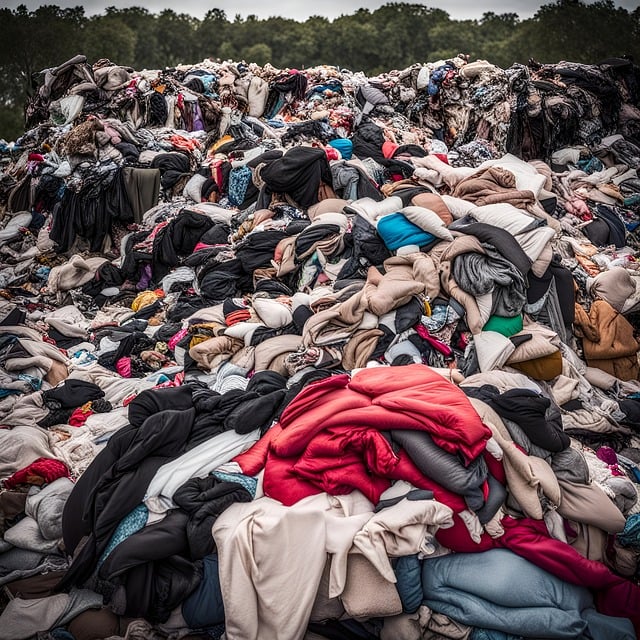
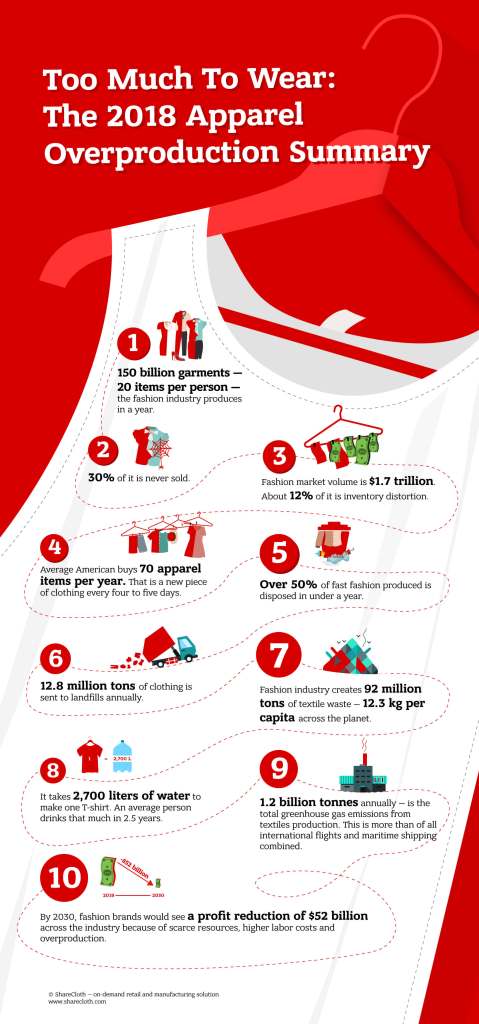
More than 50% of fast fashion produced is disposed of in under one year.
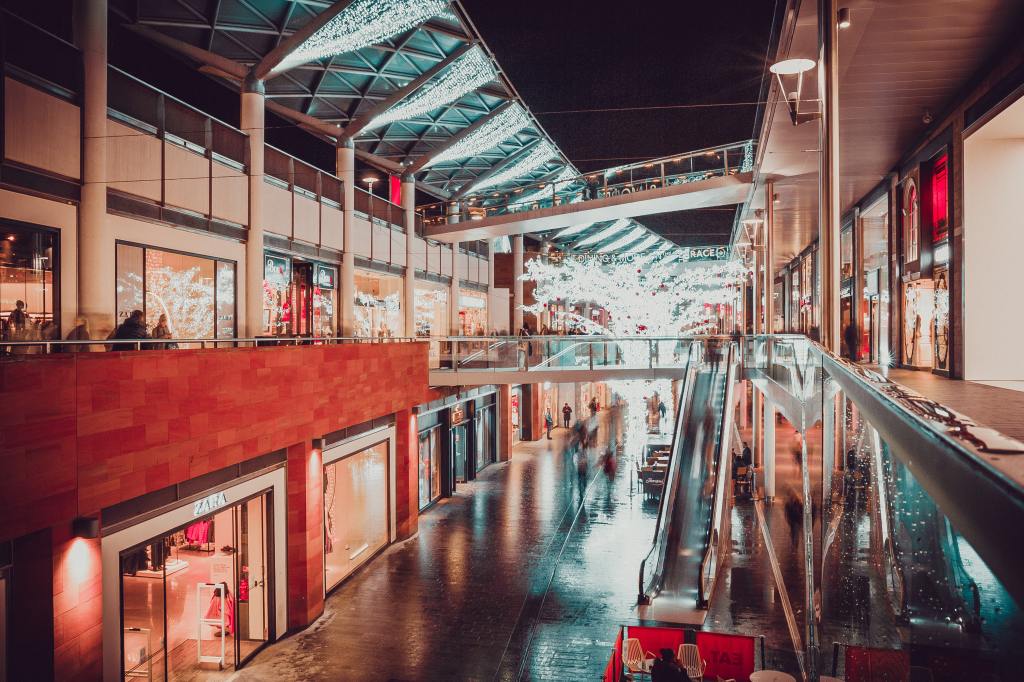
So why have shopping habits changed so much in a very short period of time?
In the late 1990’s fast fashion gained huge momentum with people happy to showcase their low cost fashion style to the world. Major retailers such as H&M, Zara and Primark were seen as leaders of fast fashion, with Zara declaring that it would only take 15 days for a garment to go from a designer’s brain to being sold in their stores. There are no longer the defined seasons we have come to eagerly anticipate every 6 months…. Spring/Summer and Autumn/Winter have turned into new offerings every few weeks. Zara now puts out 24 collections per year, while H&M offers between 12 and 16.
Unfortunately, just like we waste food, we also waste clothes.
Each year we send approx. 92 million tons of textile waste to landfill. Companies have mounting piles of dead stock and engage in the process of incineration of unsold clothes. Landfills are overpacked with textiles leading more and more people to finally start shouting about sustainable fashion and a circular economy.
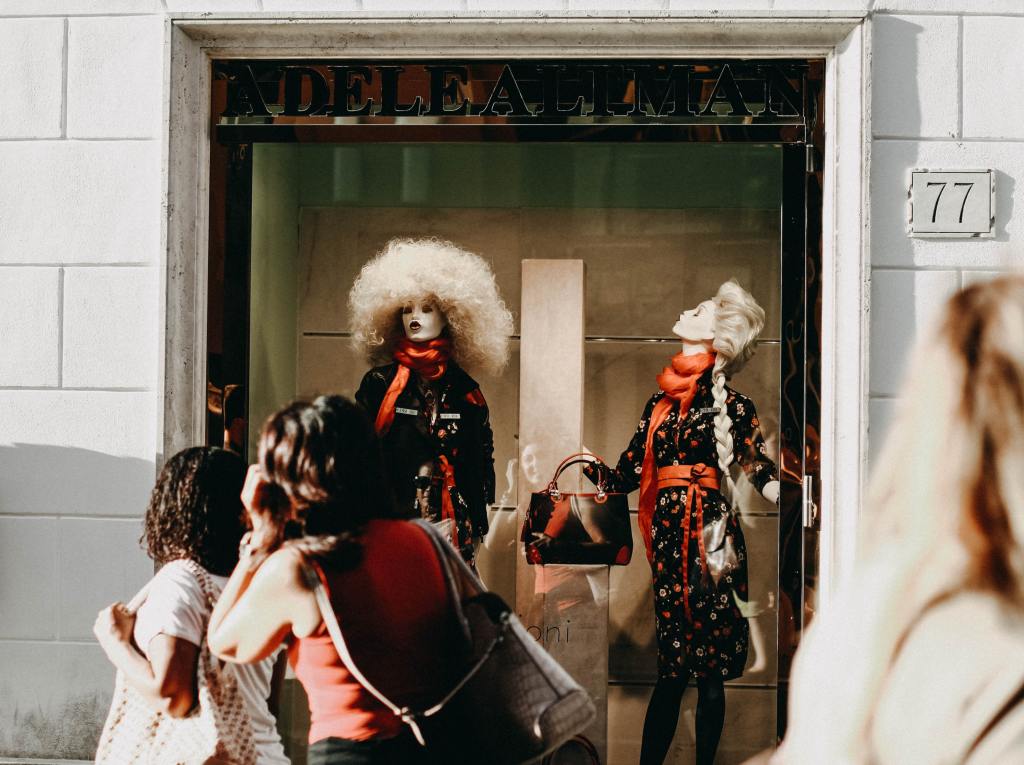



What is the reason for so much textile waste?
Fast fashion hugely contributes to this and the amount of clothes that companies are actually producing each year. There is a massive problem of overproduction and unsold clothes, highlighted in the last few years by the fashion giant H&M, when it was reported back in 2018 that they were sitting on a huge pile of unsold clothes — $4.3 billion worth of inventory. The company produces so much clothing that a power plant in the Swedish town of Vasteras burns their excess or faulty products for energy. Even luxury brand Burberry admitted burning products worth £28.6m in 2017 instead of selling them at a lower cost which they felt would damage their brand image. Thankfully they have stopped this process and are moving to becoming more sustainable.
These days, we can order an item and have it sent to us the same day or the very next day once we click that Checkout button. We might wear that item once or if it’s of good (ish) quality we might wear it more than once.
Unfortunately fashion fashion is just that. FAST! It arrives into our lives as fast as it goes out of our lives.
Fast fashion does not last. The incredible speed at which clothes are now manufactured, worn, and thrown away has meant that we have less attachment to what we buy and less memories associated with items of clothing. I remember saving for something before and then keeping it in my wardrobe for years, never to throw it away, it was such good quality I knew I could wear it again and again. Unfortunately, this doesn’t happen as regularly anymore.
I’m sure we all have had similar purchases….Like the jeans that were our number one choice for making our legs look long and skinny or that dress that we could wear to anything and feel amazing. Now we can buy new jeans depending on how we feel or on the time of the month! And a new dress or shirt for every type of occasion.
Not only are brands producing more, customers are using large amounts of clothing for a shorter time : An average American buys 70 apparel items a year.
Source: Americans have stopped trying to stuff more clothes into their closets
As consumers, we have now come to expect a constant supply of new items and trends. We receive weekly emails and texts enticing us to websites showcasing “New Arrivals” or “Restocked items” which were previously sold out. We just can’t help ourselves. It all looks so amazing on the models and we just know how great it will look in our next selfie! Instagram and social media have also helped this drive in fast fashion due to social pressures and people saying “Oh, I can’t be seen in that again, it’s already been in photos on my Insta!”, “I’m just desperate for something new!”, “I’m going out on Saturday night, what will I buy for it?!”
Companies have made it much easier to avoid wearing the same thing twice, especially if a sweater only cost €12 or jeans cost €17. A report by Coresight Research found that online retailer Missguided releases about 1,000 new products monthly! That’s an incredible amount! And consumers in the United Kingdom are estimated to have $46.7 billion worth of unworn clothes in their closets.
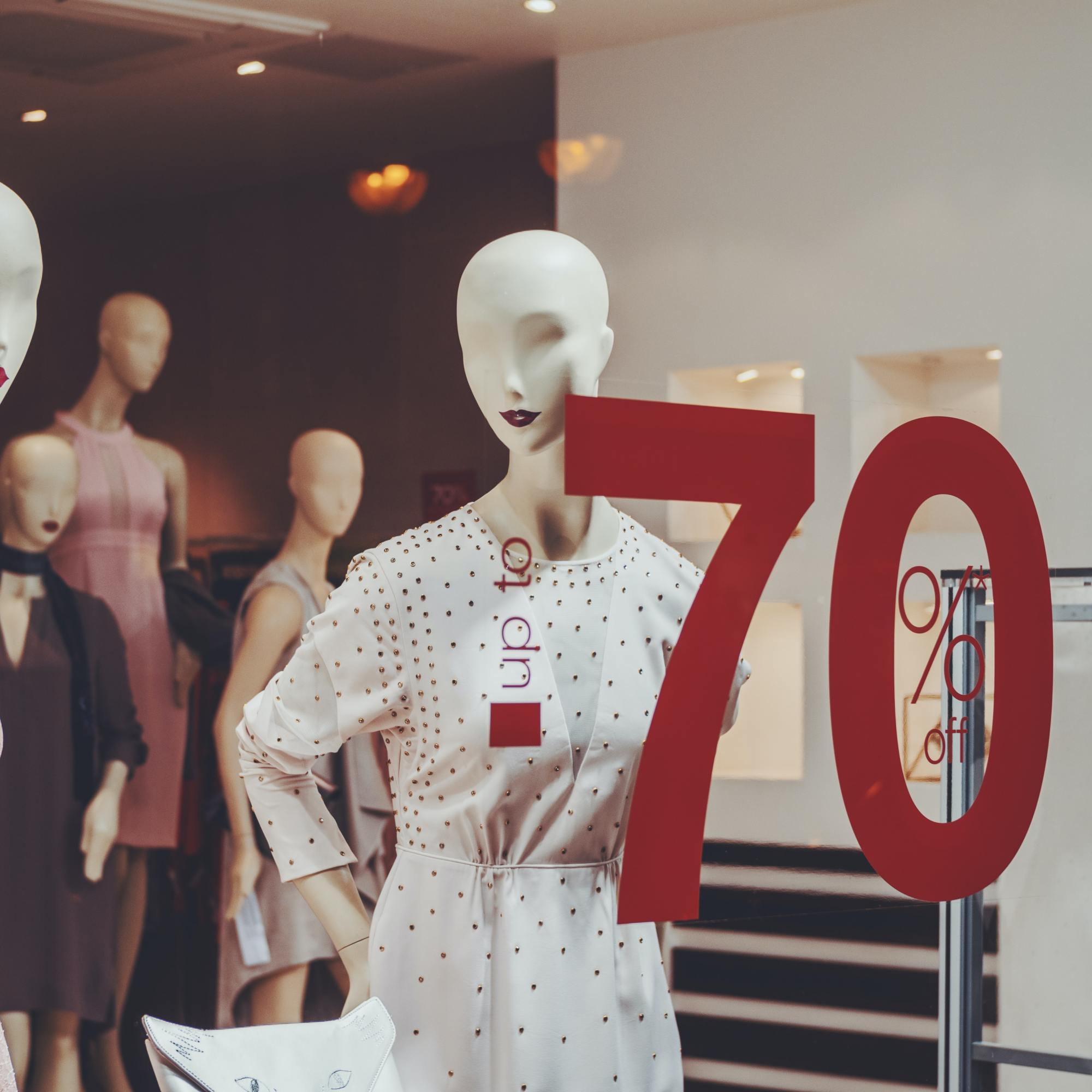
So what are the facts? Why should we avoid filling our wardrobes full of cheap clothing?
The environmental footprint of the fashion industry is now so vast that it has made it into the list of top 3 most polluting industries on the planet, affecting water pollution, greenhouse gas emissions and plastic pollution.
An average consumer throws away 70 pounds (31.75 kilograms) of clothing per year and globally we produce 13 million tons of textile waste each year, 95% of which could be reused or recycled. When textile clothing ends up in landfills, the chemicals on the clothes, such as dyes, can cause environmental damage by leaching these chemicals into the ground. Many of the fibers are polyester, a plastic found in an estimated 60% of garments. Producing polyester releases two to three times more carbon emissions than cotton, and polyester doesn’t break down in the ocean. It takes about 2,000 gallons of water to produce a pair of jeans. That’s more than enough for one person to drink eight cups per day for 10 years.
In an era of ever changing trends and the desire to look good in a society focused on Instagram filters and Facebook, fast fashion can be very enticing. We all venture into stores such as Primark (Penneys), H&M, Zara, New Look and River Island in search of a new outfit for the weekend, a little treat for ourselves on payday or just for the hell of it. More times than not we end up purchasing something for the sake of it. “Sure, it was only 25 Euro”. “It won’t break the bank”.
But do we really need that new piece?! Are we part of a society that now has too much to wear?
Many designers are finally starting to see how being more sustainable, environmentally friendly and socially conscious is beneficial to their brand. As well as that, in recent years many consumers have also become more aware of climate change and the need to reduce our waste. We have started to ask more questions about where our clothing comes from, that it is made of, how it was produced and we access what we actually need in our lives. I find that having less options in my wardrobe make it much easier to choose what to wear every day. Sometimes too much can actually be overwhelming.
With the current climate crisis there is no better time than now for fast fashion to consider slowing down and for us, as consumers and responsible world citizens, to become more mindful of our purchases.
- https://sharecloth.com/blog/reports/apparel-overproduction
- https://www.independent.co.uk/life-style/fashion/environment-costs-fast-fashion-pollution-waste-sustainability-a8139386.html
- https://www.bbc.com/news/business-44885983
- https://www.nytimes.com/2018/03/27/business/hm-clothes-stock-sales.html
- https://edgexpo.com/fashion-industry-waste-statistics/
Images: Unsplash
 FERN+FIA