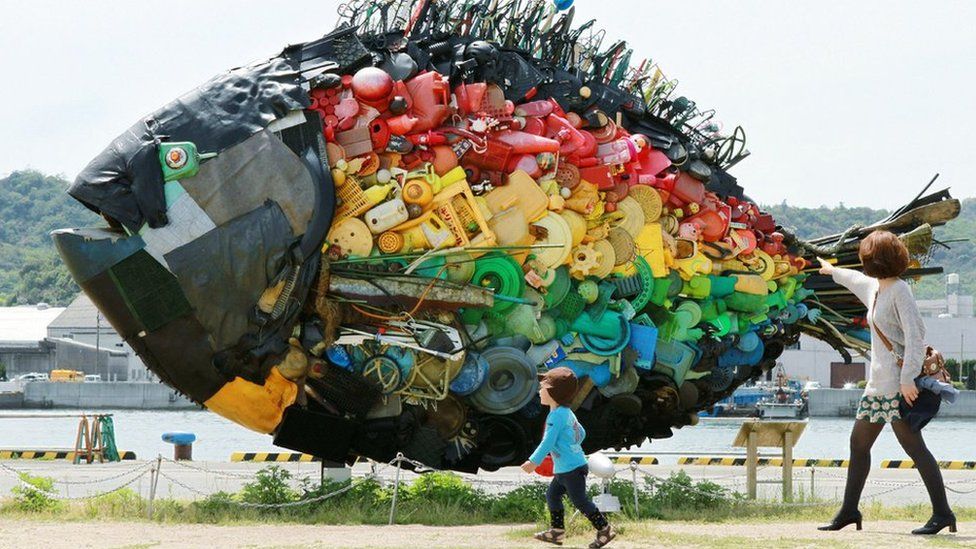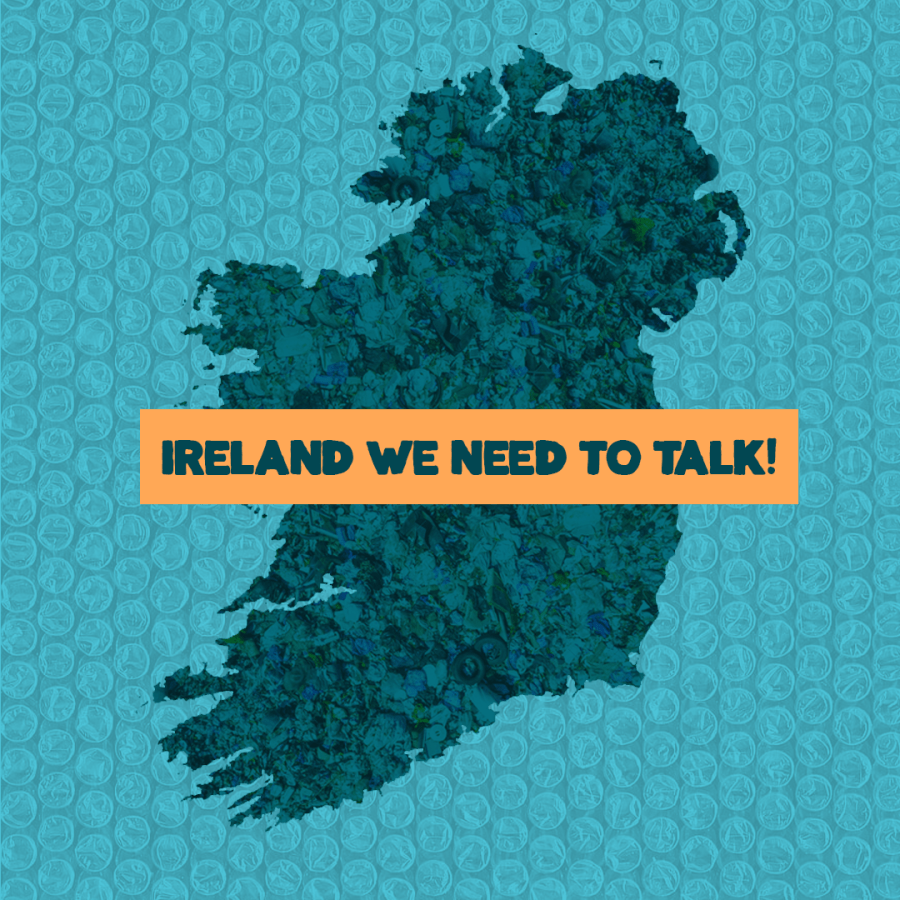
We have a BIG problem here in Ireland and across the planet. I’m sure you’ve noticed all the rubbish lying around on your daily walk… and those bottles, wrappers and small pieces of plastic lying discarded on beaches… even as I write this I am confronted by this issue. As I look out my window I can see that someone has dumped a black plastic bag full of rubbish across the road on the side of the footpath. Seeing rubbish on our streets, beaches, parks and dotted throughout beauty spots is a daily occurrence. It’s almost expected. Not even the highest mountain peak is safe from trash.
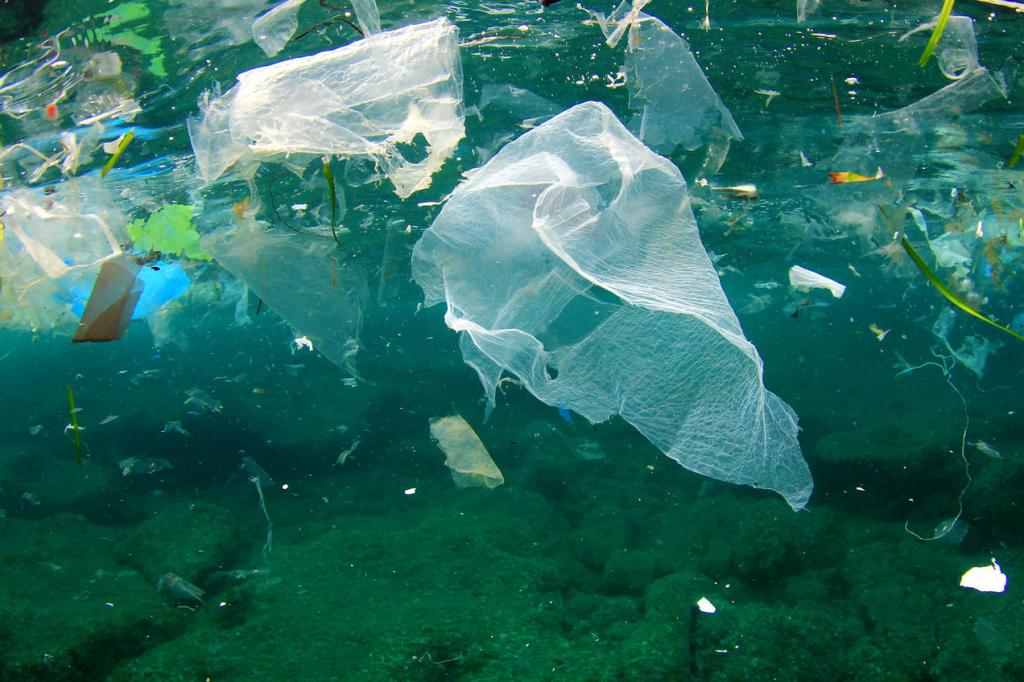
Without action this problem is not going to dissapear anytime soon.
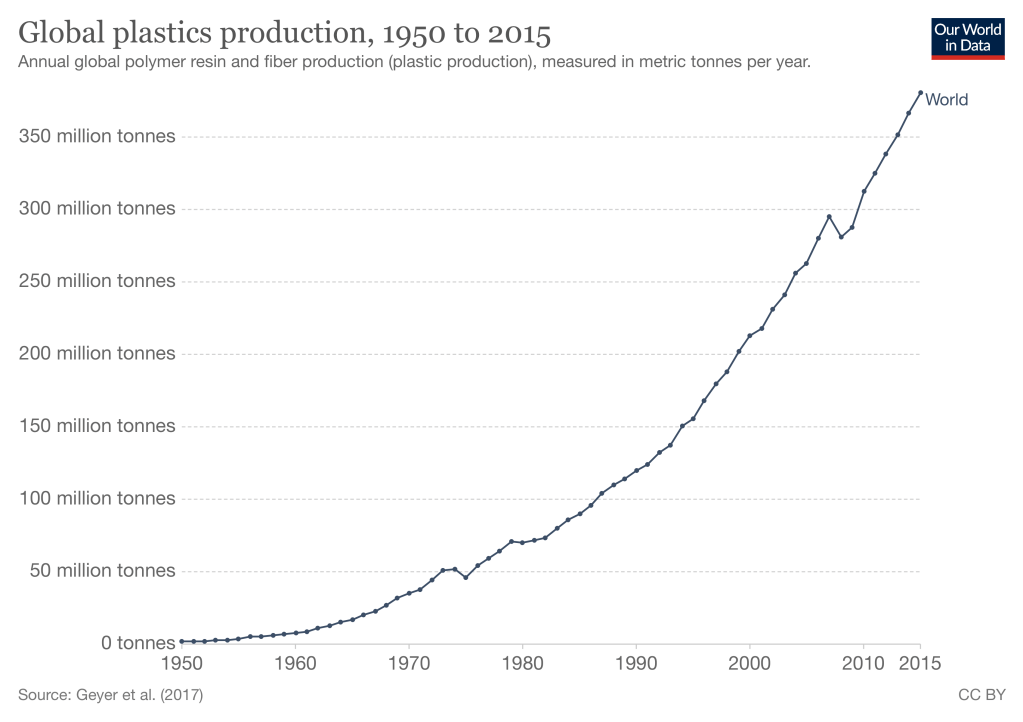
Each year we are producing over 380 million tons of plastic worldwide, with some reports indicting that up to 50% of this is for single-use purposes – only used for a few minutes but will stick around for several hundred years. That doesn’t sound too great, does it? It’s now estimated that more than 10 million tons of plastic is dumped into our oceans every year, with the Ellen Mc Arthur foundation suggesting that “there will be more plastic in our oceans than fish by 2050”. The Mediterranean Sea currently sees 570,000 tonnes of plastic flow into it annually – an amount the WWF has described as equal to dumping 33,800 plastic bottles every minute into the sea.
Rubbish gets swept into drains, ends up in rivers – so that piece of plastic wrapper or coffee cup lid you dropped, or the cigarette butt you threw onto the street… could all end up in the sea. According to the UN Environment Programme there are on average 13,000 pieces of floating plastic per square kilometre of ocean, many of which end up being mistaken for food and ingested by marine animals. These poor animals can die of starvation because of the plastic filling their stomachs.
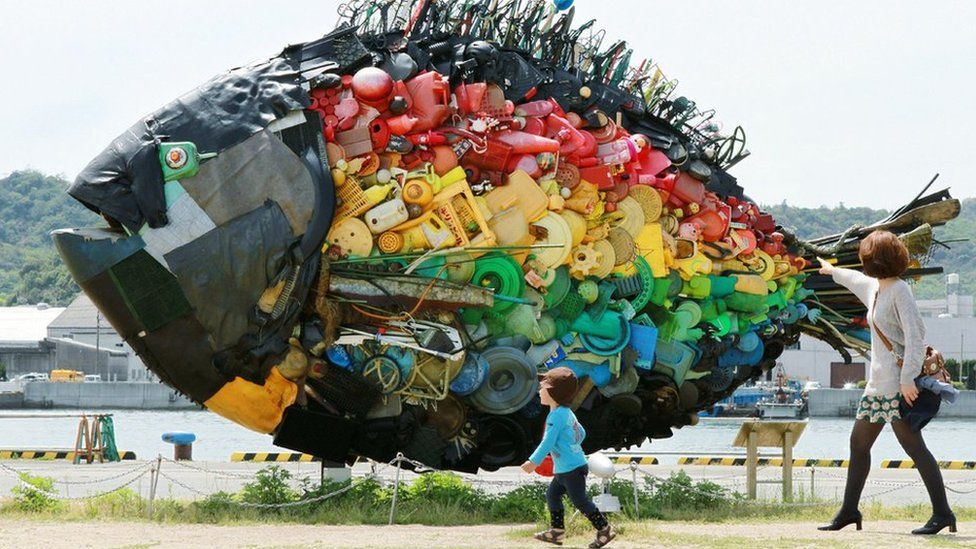
Shocking right?… It seems that humans have become addicted to this almost indestructible material.
The following is a very interesting and eye opening video on our plastic problem by The Irish Times featuring interviews with marine biologists, scientists etc. It’s heartbreaking to see how much plastic is scattered throughout our own beautiful Island.
Unsurprisingly, the average person now eats at least 50,000 particles of microplastic a year and breathes in a similar quantity, according to the first study to estimate human ingestion of plastic pollution.
So those are the Worldwide figures but…
CLOSER TO HOME, WHERE DOES IRELAND STAND IN THIS PLASTIC PROBLEM ?
well… this may surprise you…
- 2,500,000 plastic bottles are disposed of each day in Ireland! 69% of these are not recycled.
- Ireland was the top plastic waste producer in Europe in 2015 generating an average of 61kgs of plastic waste per person – almost double what the UK produces.
- Ireland produced over 1 million tonnes of packaging waste in 2018, for the second year in a row.
- Only 31% of plastic packaging waste was recycled in 2018, decreasing for a third year in a row. The EU Packaging Directive recycling target to be reached by 2025 is 50% , which we will struggle to meet.
- We produce the equivalent of nearly 2,000 water bottles, or 5,550 disposal coffee cups, per person annually.
- 83 per cent of Dublin Bay Prawns have ingested microplastics.
- Up to 97 per cent of Irish plastic went to China because of our inability to deal with it at home up to 2017, before that market closed.
Sources: The Irish Times, Sat April 21st 2018 / EPA
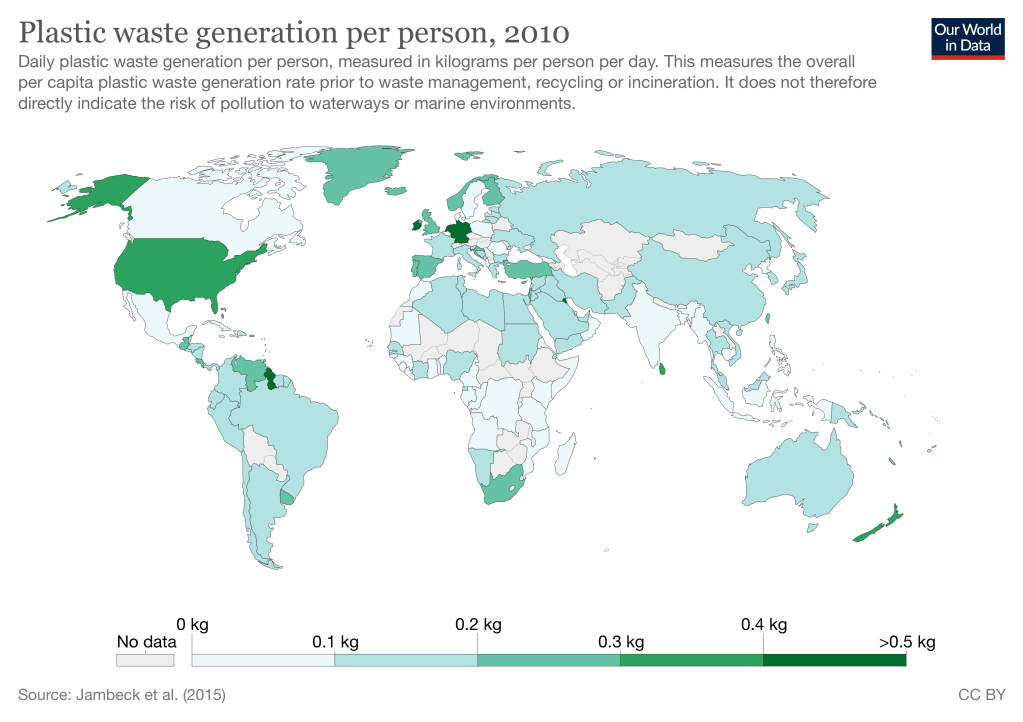
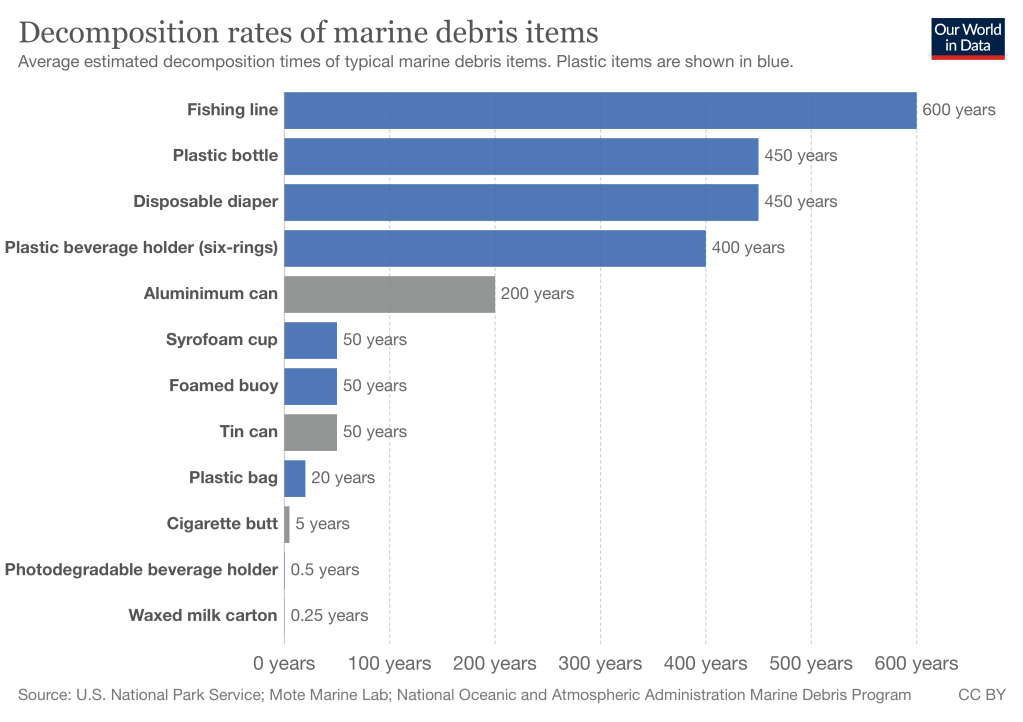
Source: ourworldindata
With fly tipping on the increase in recent years, as shown from my earlier example, and more people not wanting to pay to dispose of their (plastic) filled bags of rubbish, we must finally do something to change the increase of trash seen right across Ireland. It is frustrating seeing so much plastic waste thrown on the sides of roads, in parks, all along our beautiful beaches and littering our towns.
Why should we accept it and not do anything about it? If everyone decided to pick up 5 pieces of rubbish found on a daily walk the country would start to look a whole lot cleaner. Ultimately we shouldn’t have to clean up after others and the plastic problem should be dealt with at its source by stopping companies producing more and more each year. But this does not seem to be happening as the largest producers of plastic are multinational oil and gas corporations who are making billions annually. Why would they ever want to stop?
| Name | Headquarters | Annual Revenue (Billion $)** |
|---|---|---|
| Exxon Mobil | Irving, TX | 237.16 |
| Chevron Corp. | San Ramon, CA | 134.78 |
On a more positive note, it’s been fantastic to see all the new businesses that have opened across Ireland which are focused on promoting eco-friendly products without plastic. These brilliant entrepreneurs are advocating a more sustainable lifestyle and are working towards improving life for further generations… without a single use plastic in sight. With more of these stores launching each month, things are looking brighter for consumers who are embracing less plastic in their lives.
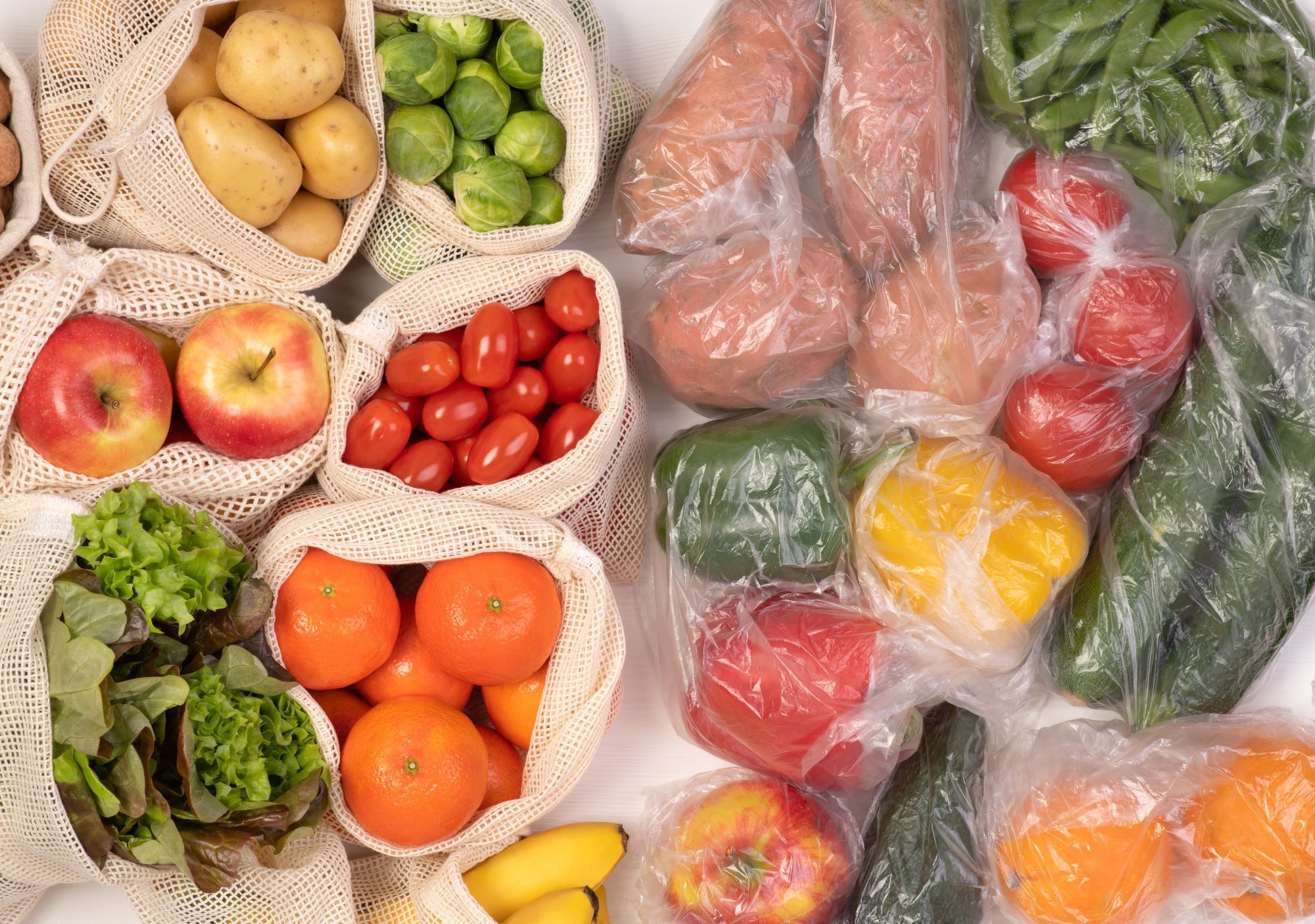

Unfortunately we still have to deal with the pressing issue of daily plastic waste, that has become part of our lives, and learn how to deal with this plastic by making small changes and better choices.
Even a trip to the supermarket these days is a minefield. We are inundated with plastic on everything. Bags of apples, potatoes and lemons all encased in plastic, which will go straight in the bin once you’re home. What is the point in this? Even some bananas have plastic around them, even though bananas have their own natural packaging… pretty crazy if you ask me…
Plastic waste increased further during the Covid-19 Pandemic, with single use masks and plastic gloves being disposed of daily. Masks often contain plastics such as polypropylene which have a lifespan of 450 years! According to the World Wildlife Fund (WWF), if only 1% of the world’s single use masks are disposed of incorrectly, 10m masks will still end up polluting fragile ecosystems every month.
‘Covid waste’: disposable masks and latex gloves turn up on seabed – video The Guardian
Plastic production is expected to grow 40% by 2030. Many of us try to do our best at home, recycling and not using single use plastic bags when shopping but this will make no difference unless the amount of plastic actually being made each year stops. Normally, plastic items can take up to 1000 years to decompose in landfills. And (harmless looking) single use plastic bags can take well over 10-20 years to decompose, while plastic bottles take 450 years.
Microplastics are being found absolutely everywhere and we are still not fully aware of the serious dangers posed to us and the planet. Plastic is very prevalent in our lives and is in lots of things that we use, from clothing to cosmetics, and bottles to tea bags! Yes, believe it or not, pretty much all tea bags are heat-sealed using polyethylene, a plastic that will not break down in your compost heap. This is something to think about the next time you put the kettle on…
Now is the time to make changes, instead of looking back in years to come wishing you had taken action earlier. We need to think, as a country and a planet, how we can reduce our reliance on plastic today and implement these changes to our shopping habits and lifestyle, working on ways to keep the plastic out of our oceans and local areas.
So what can we do about cleaning up Irelands plastic problem?
Support businesses that are moving towards more sustainable packaging practices and using organic non toxic materials.
Leave plastic and excess cardboard packaging behind at your supermarket either at the till or in a designated container. The more packaging the supermarkets have to recycle or dump the more likely that they will be to push manufacturers to use less packaging initially.
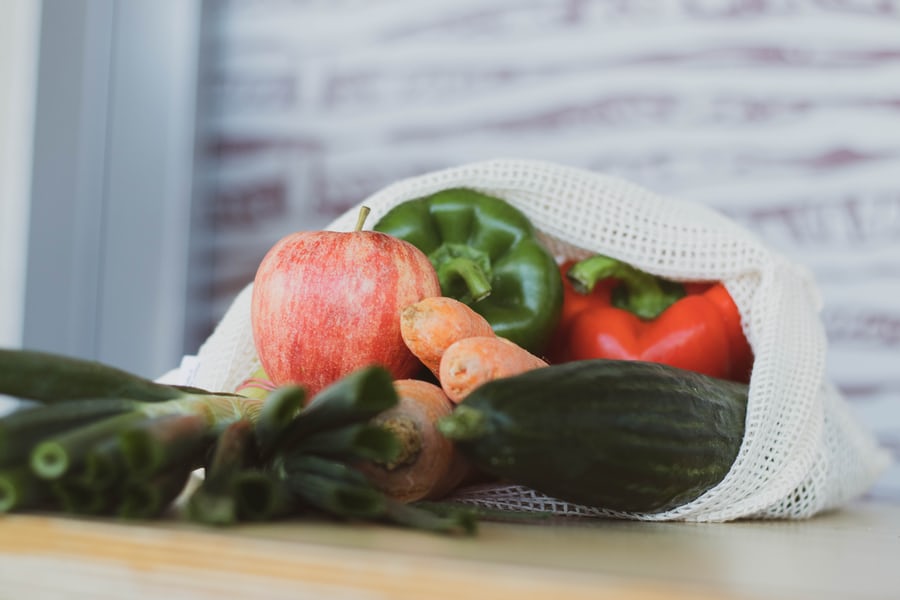
Choose to buy loose fruit and veg when you can, you’ll actually end up saving money by buying less and also ensuring reduced food waste. Buy fresh bread wrapped in paper rather than plastic.
Take a cloth tote bag to the shop with you so that you don’t end up purchasing a plastic bag for your shopping. Refuse plastic bags when offered to you in clothes shops.
Separate your waste and use the correct bin. Ensure items in the recycling bin are clean, dry and loose. It is important not to put dirty packaging in the bin. Wash under the tap first.
In cases where you will have to buy something with packaging, choose hard plastic (which is recyclable) over soft film which is usually not.
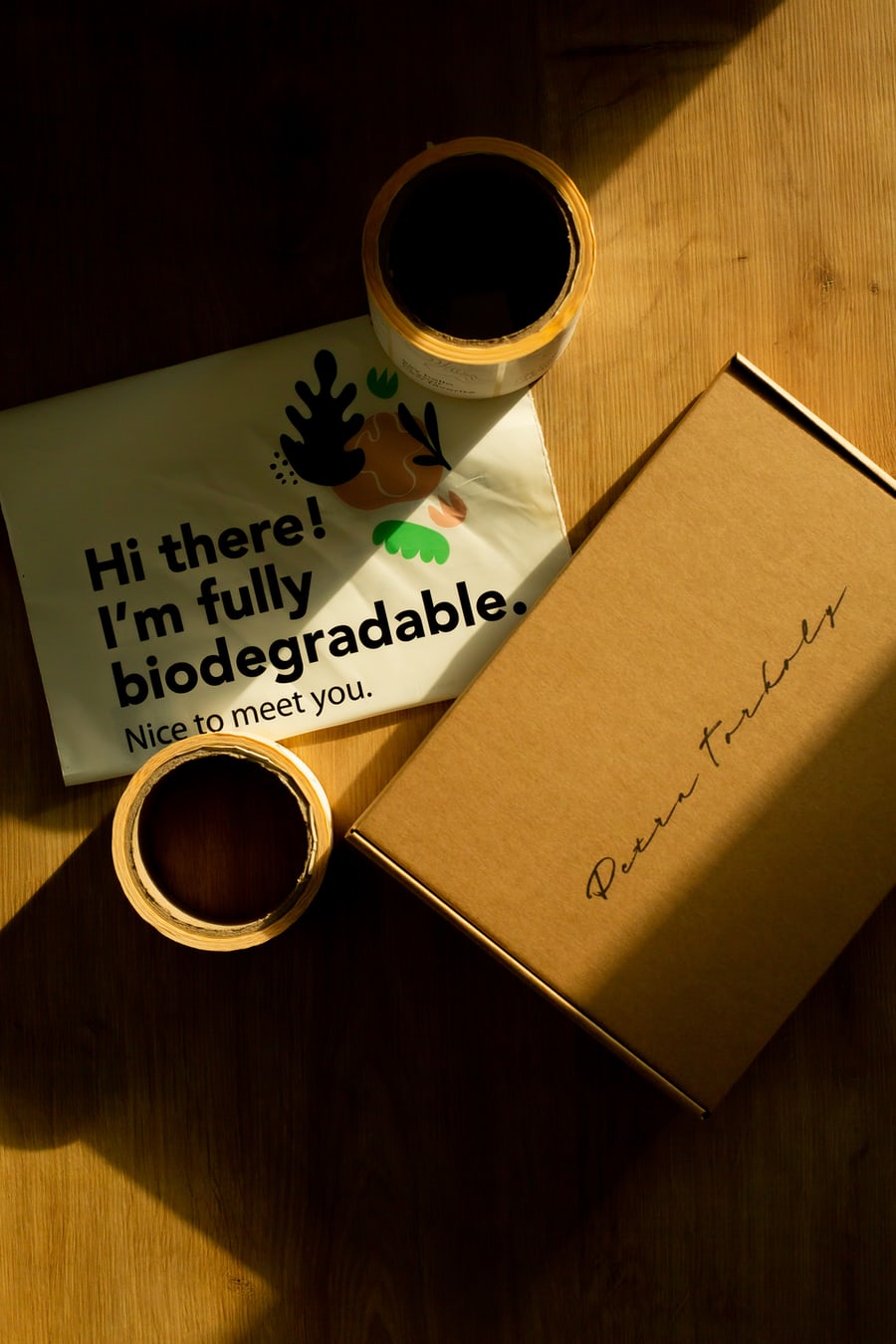
Buy items with paper or cardboard packaging.
Don’t use single-use plastic coffee stirrers, cutlery and cups, all of which remain in our environment for hundreds of years. Give up plastic bottles. Invest in a refillable water bottle instead.


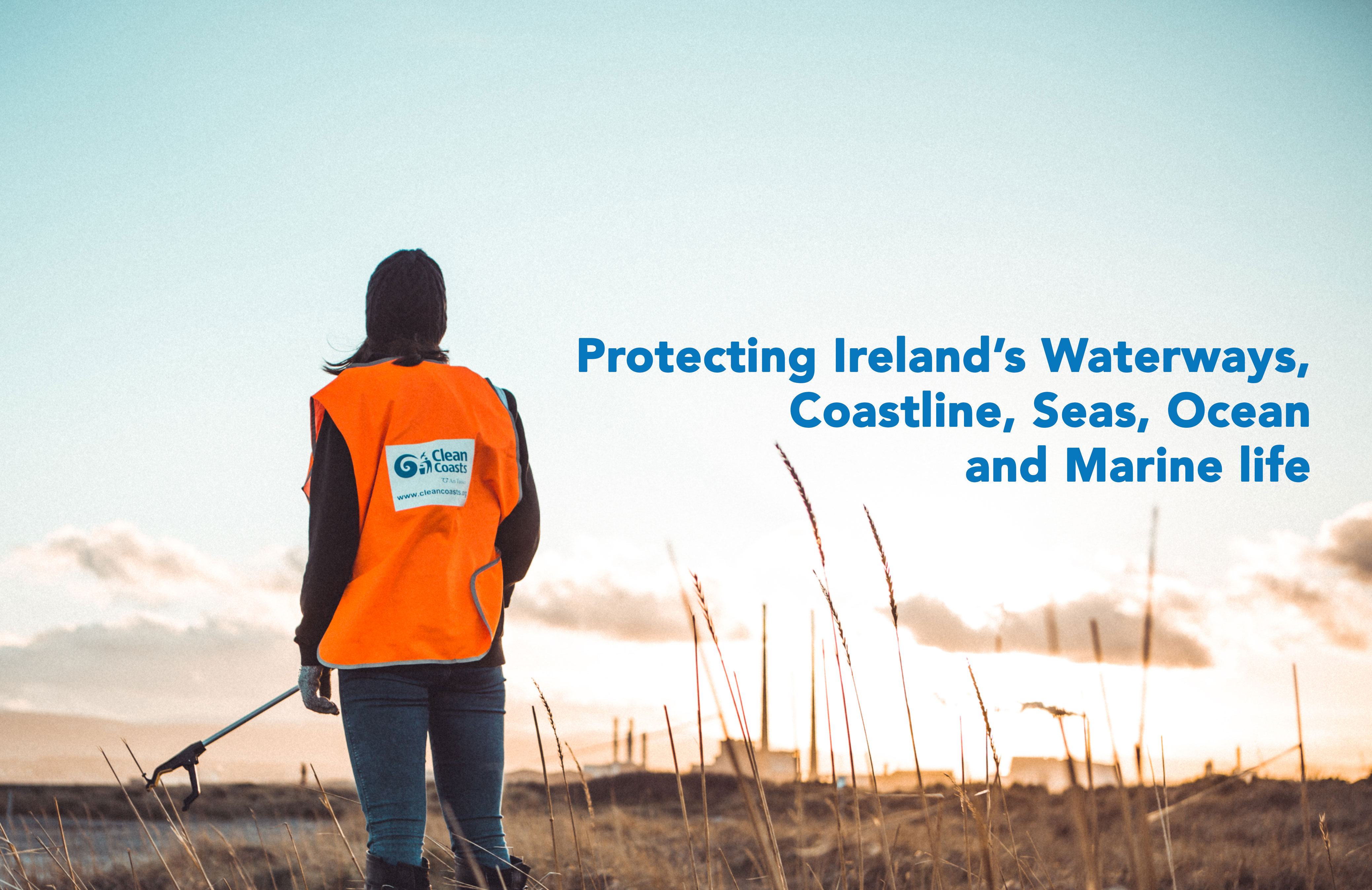
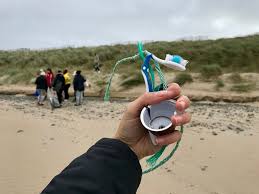
Pick up 5 pieces of rubbish on a daily walk in your local area. (make sure to wear protective gloves) Even if it’s not your rubbish, it is your planet. If each person did this daily it would make a huge difference.
Organise area clean ups where you live. It’s always great to come together to make a bigger impact . The feel good factor from this is huge.
Get together with friends or family for a clean up of a beach in your county (once the current restrictions end) YOU can make a HUGE difference.
Don’t litter. (even cigarette butts contain plastic)
Ditch the chewing gum. Chewing gum (which is made from plastic itself) can be substituted for plastic free alternatives such as Chewsy!
Write to your local politician about the increase in rubbish seen in your locality and ask what they are doing as part of the government to clean up the country’s plastic waste problem.
Avoid products which contain Microbeads. These can be in cosmetics, body scrubs and toothpastes. Thankfully, Ireland put in a law against these particles on 20th Feb 2020. The Microbeads Act 2019 prohibits the manufacture or placing on the market of cosmetics, personal care products, household and industrial cleaning products that contain plastic microbeads. A huge win for our society.
All of these might seem like obvious solutions but are easy wins for us to fight back against our plastic problem in Ireland and make our streets and scenic places plastic free for us and future generations.
I hope that you will implement some of these into your daily life.
Resources:
https://www.wwf.org.uk/updates/ten-tips-reduce-your-plastic-footprint
https://www.bbc.com/news/magazine-29631332
https://www.unenvironment.org/resources/report/state-plastics-world-environment-day-outlook-2018
https://www.theguardian.com/environment/2020/jan/02/year-plastic-pollution-clean-beaches-seas
https://www.thomasnet.com/articles/top-suppliers/plastics-manufacturers-suppliers/
https://www.irishexaminer.com/property/homeandoutdoors/arid-40139657.html
 FERN+FIA