
“Every time you spend money, you’re casting a vote for the kind of world you want”. – Anna Lappé
This quote highlights the power of consumer choices and the impact they have on the world we live in. By choosing sustainable fashion, we can vote for a more ethical and sustainable fashion industry, one that values the environment, workers, and animal welfare.
Sustainable fashion is becoming increasingly popular as consumers demand clothing that is made from eco-friendly materials and produced in an ethical manner. By choosing sustainable fashion, you can reduce your environmental impact and support brands that prioritize social responsibility. In this blog post, we’ll explore what sustainable fashion is, why it’s important, and how you can make ethical fashion choices.
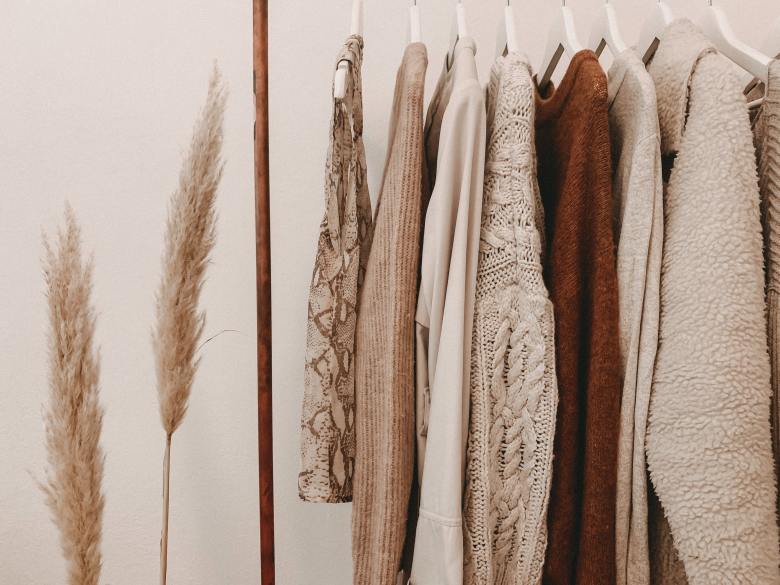
What is sustainable fashion?
Sustainable fashion is clothing that is produced in a way that minimizes environmental impact and prioritizes social responsibility. This includes using eco-friendly materials, reducing waste in the production process, and treating workers fairly. Sustainable fashion also encompasses ethical considerations such as animal welfare, fair labor practices, and the use of non-toxic dyes and chemicals.
Why is sustainable fashion important?
The fashion industry is one of the most polluting industries in the world, with significant environmental and social impacts. Traditional fashion production methods use a large amount of natural resources and energy, and produce a significant amount of waste. In addition, the industry is known for using exploitative labor practices and for its contribution to animal cruelty.
Sustainable fashion is important because it offers an alternative to the traditional fashion industry that is more responsible and sustainable. By choosing sustainable fashion, you can reduce your environmental impact and support brands that prioritize ethical and sustainable practices.
How can you make ethical fashion choices?
- Choose eco-friendly materials: Look for clothing made from natural, sustainable materials such as organic cotton, linen, or bamboo. These materials are grown without the use of toxic chemicals, which reduces environmental pollution and protects workers’ health.
- Shop secondhand: Buying secondhand clothing is an excellent way to reduce waste and extend the life of clothing. You can find high-quality clothing at thrift stores, flea markets, online secondhand retailers and online marketplaces.
- Support sustainable brands: Look for brands that prioritize sustainability and ethical practices. These brands may use eco-friendly materials, prioritize fair labor practices, or have a transparent supply chain.
- Avoid fast fashion: Fast fashion is characterized by low-cost, trendy clothing that is produced quickly and sold at low prices. This model encourages overconsumption and creates a significant amount of waste. By avoiding fast fashion, you can reduce your environmental impact and support more sustainable fashion production methods.
- Buy high-quality clothing: Investing in high-quality clothing that is made to last is an excellent way to reduce waste and save money in the long run. High-quality clothing is typically made from durable, natural materials that are less likely to wear out or fade quickly.
- Care for your clothing: Properly caring for your clothing can extend its life and reduce the need for frequent replacements. Follow care instructions carefully, avoid harsh detergents or bleaches, and consider using natural alternatives such as vinegar or baking soda.
In conclusion, sustainable fashion is an excellent way to reduce your environmental impact and support ethical and sustainable practices. By making ethical fashion choices, such as choosing eco-friendly materials, shopping secondhand, and supporting sustainable brands, you can contribute to a more responsible and sustainable fashion industry.
 FERN+FIA